







Find Everything you need for the holiday season.
From gifting with intention, bringing organic with you while you travel, or getting your home ready for hosting friends and family -- we've got your organic wishlist covered.



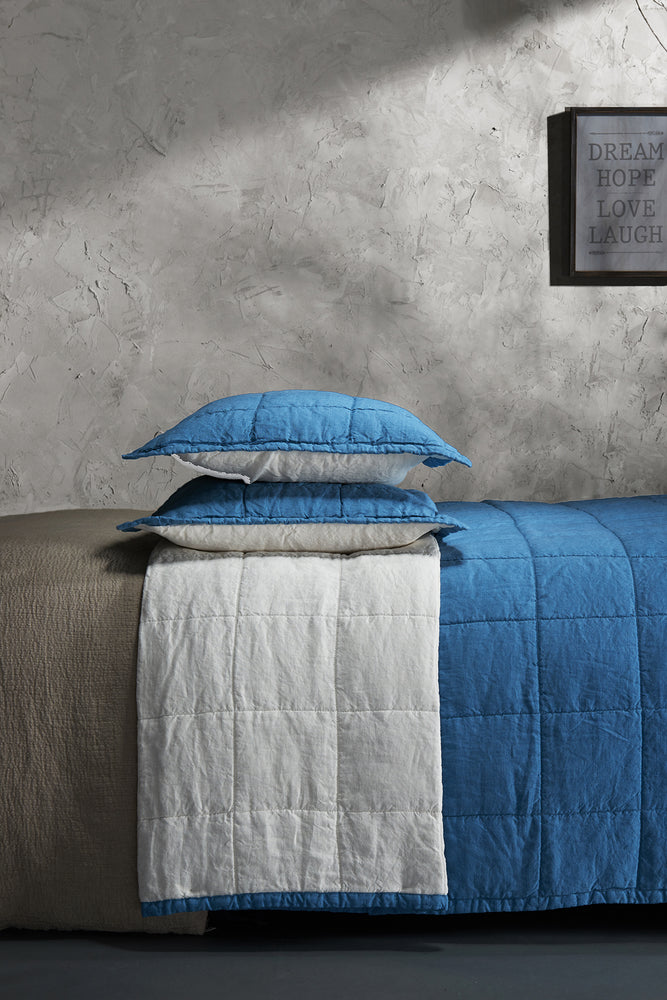
Discover thoughtfully made bedding in Belgian linen, organic cotton, and down. From breathable sheets to soft duvet covers and comforters, find natural materials designed to bring lasting comfort to your bedroom.
Discover thoughtfully made bedding in Belgian linen, organic cotton, and down. From breathable sheets to soft duvet covers and comforters, find natural materials designed to bring lasting comfort to your bedroom.
Discover natural textures and comfortable layers in linen, cotton, and down. Choose the material that best fits the way you sleep and style your home.
Explore breathable bedding in Belgian linen, organic cotton, and down, designed for everyday comfort.
Discover some of our most-loved bedding essentials, from breathable sheets to soft comforters and everyday layers.
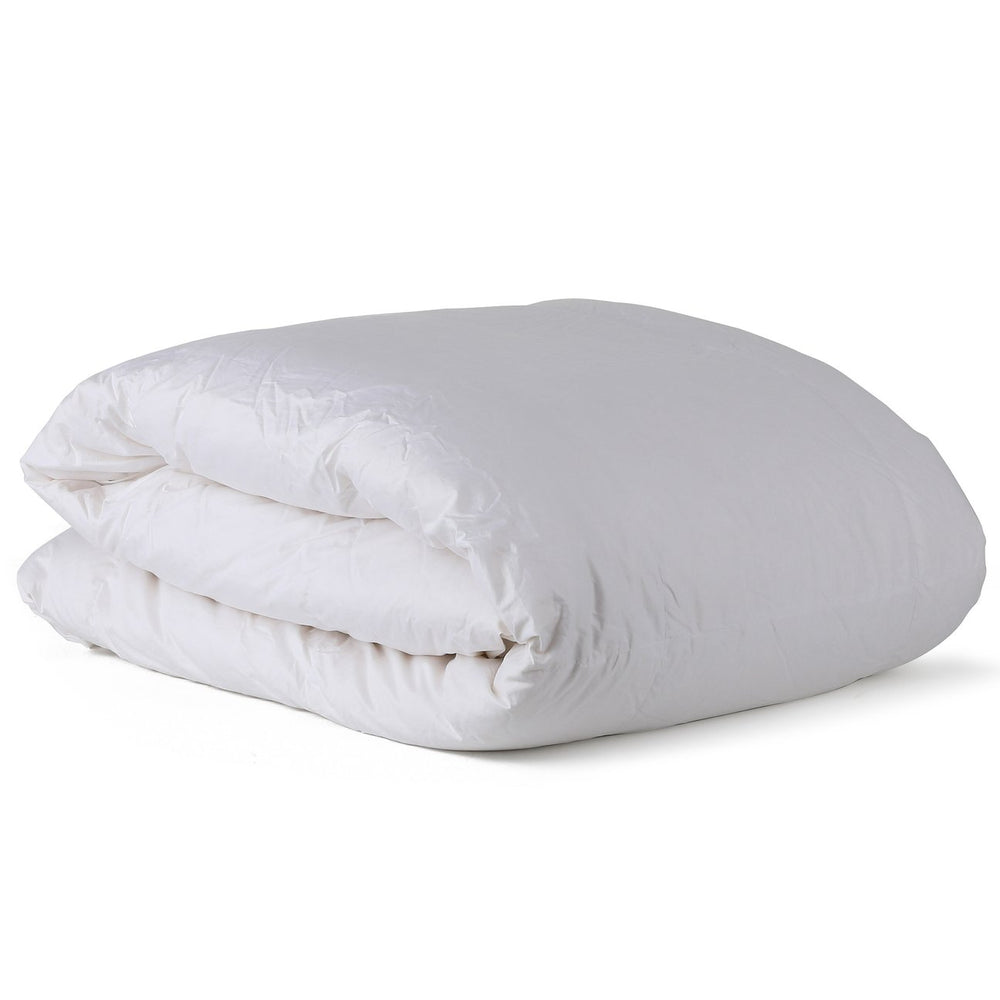

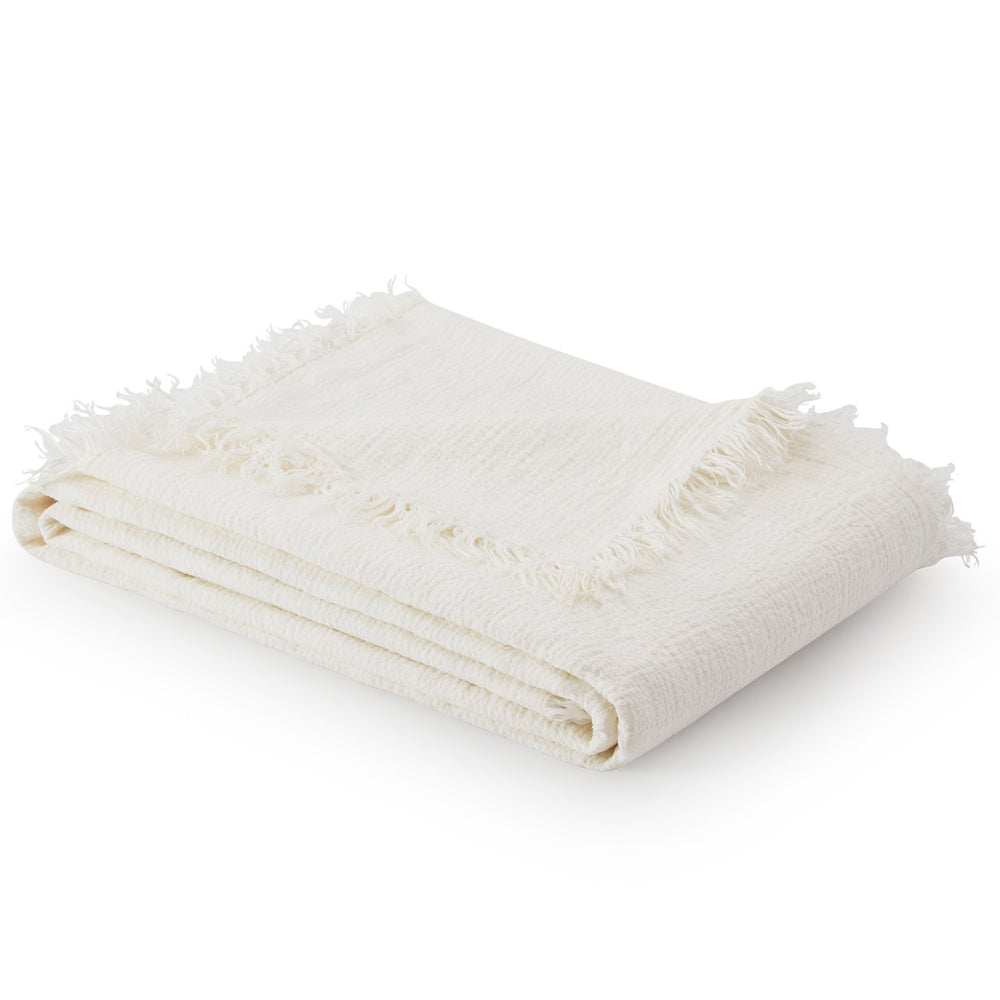

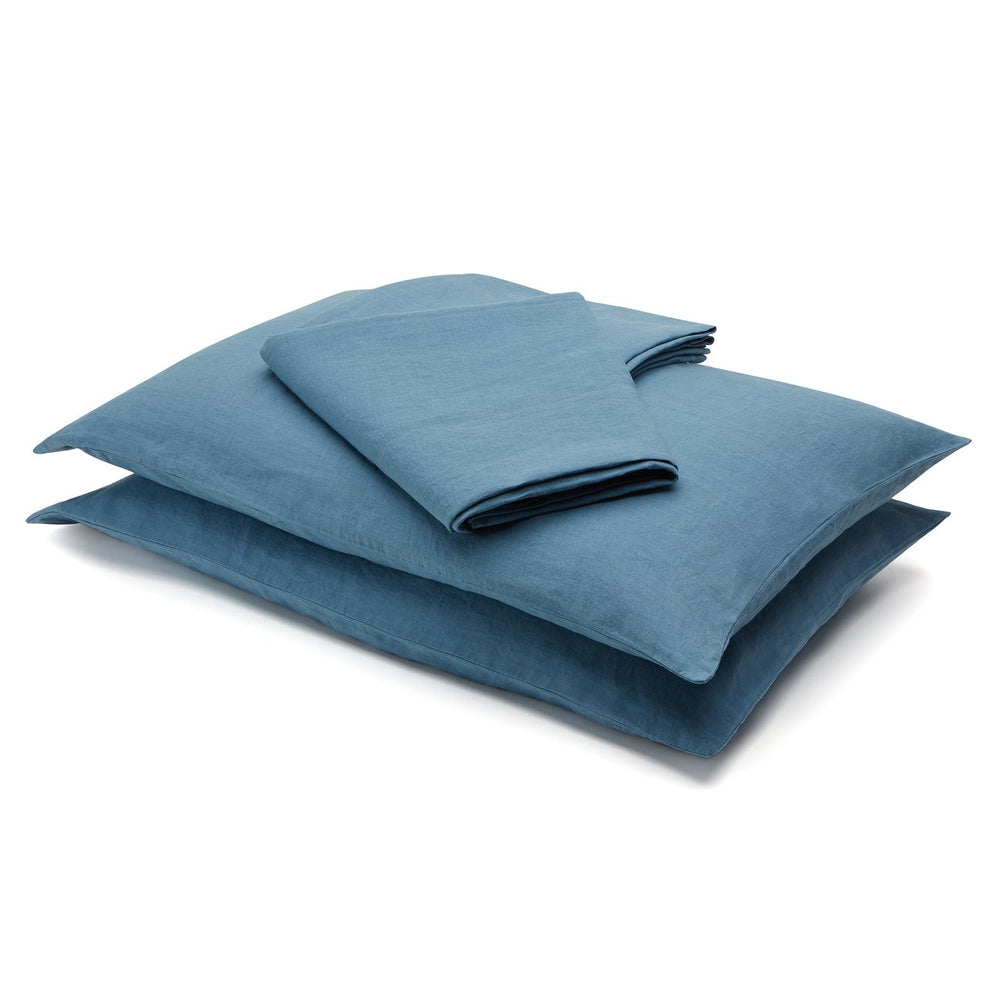

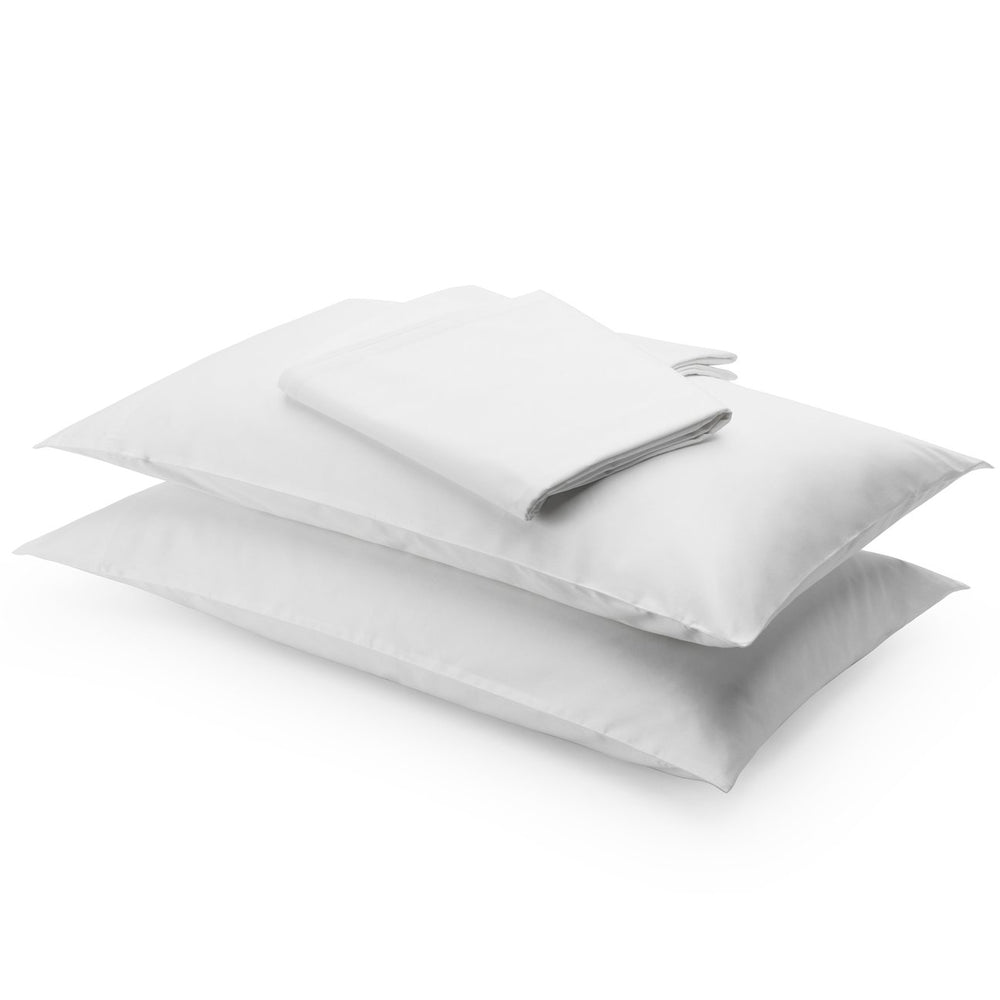

Natural materials, thoughtful craftsmanship, and everyday comfort made for better rest at home.


Feeling is believing. We'll give you 60 nights to discover the difference.


Pretreat body oil, wash at the right temperature, and check before drying to remove yellow pillowcase stains without damaging the fabric.


Eight practical ways to stop fitted sheets slipping, from correcting size and pocket depth to adding straps or replacing worn elastic.


Find the source of musty stored sheets, remove the odor safely, and prevent moisture, residue, and poor airflow from bringing it back.


Learn what causes static in bed sheets and how humidity, drying habits, and bedding materials can prevent crackling, cling, and small shocks.


Pretreat body oil, wash at the right temperature, and check before drying to remove yellow pillowcase stains without damaging the fabric.


Eight practical ways to stop fitted sheets slipping, from correcting size and pocket depth to adding straps or replacing worn elastic.


Find the source of musty stored sheets, remove the odor safely, and prevent moisture, residue, and poor airflow from bringing it back.


Learn what causes static in bed sheets and how humidity, drying habits, and bedding materials can prevent crackling, cling, and small shocks.