


Table of Contents
Choosing between a duvet cover and a bedspread depends on how you want your bed to feel and function: a duvet cover is better for adjustable warmth and a relaxed, layered look, while a bedspread suits lighter coverage and a neat, finished appearance. The choice can be confusing because both can sit on top of the bed, yet they differ in construction, warmth, care, and the way they shape a bedroom.
A common mistake is treating them as interchangeable or assuming a bedspread must be the only top layer. This guide explains their key differences through style, sleep comfort, daily routines, seasonal use, and layering options.
Duvet Cover vs. Bedspread at a Glance
|
Feature |
Bedspread |
|
|
Primary Aesthetic |
Plush, lofty, layered, and modern |
Tailored, smooth, continuous, and classic |
|
Warmth Level |
Highly customizable, depending on the insert |
Lightweight to medium heat protection |
|
Coverage |
Covers a duvet insert and typically sits over the mattress |
Covers the bed surface and usually drapes over the sides |
|
Maintenance |
Easy to wash outer shell; insert washed less frequently |
Easy to pull up daily; full piece may require more washer space |
Start With the Look You Want for Your Bed
The top layer sets the entire tone for your bedroom design. Depending on whether you prefer casual elegance or structured traditionalism, one of these options will naturally suit your aesthetic better than the other.
A Duvet Cover Creates a Relaxed, Layered Bed
A duvet cover surrounds and protects a fluffy duvet insert, such as one filled with down or a down alternative, creating a full, cloud-like silhouette. It gives your mattress a cozy, lived-in texture with soft folds and natural depth. Because duvet covers are easily swapped, they allow you to experiment with colors, patterns, and fabrics without replacing your main warmth layer. The end result is an inviting, soft-focused look that practically begs you to jump in.
A Bedspread Creates a Neat, Finished Bed
If you prefer clean lines and a polished presentation, a bedspread offers a classic, tailored aesthetic. Bedspreads are decorative, single-piece top covers designed to extend over the bed surface and drape down the sides. Some traditional styles offer more generous coverage, helping create a tidy, unified visual anchor and potentially reducing the need for a separate bed skirt.
Think About How You Like to Sleep
Your thermal comfort during the night is just as important as how your bed looks during the day. Your choice between a duvet cover and a bedspread significantly impacts how your bed regulates temperature.
Choose a Duvet Cover if You Want Adjustable Warmth
Duvet covers offer flexibility for night-time temperature control. Because the cover relies on a removable interior insert, you can customize your warmth by changing the fill material or weight. You can pair a lightweight cotton cover with a low-loft insert for warmer months, then switch to a warmer duvet insert when winter arrives, all while keeping your favorite outer cover.
Choose a Bedspread if You Prefer Light Coverage
Bedspreads are typically thinner and lighter than traditional duvets or comforters, making them a practical option for people who prefer a simpler, less bulky bedding setup. They can be a good choice for hot sleepers or those living in warmer climates who want lightweight coverage without the added loft of a filled duvet.
However, the warmth of a bedspread can vary depending on its fabric, thickness, and construction. Some quilted or heavier bedspreads may provide more warmth, while lightweight cotton or linen styles are better suited for warmer conditions.
Choose the Option That Fits Your Daily Routine
Consider how much time and energy you want to spend maintaining your bedding, both when making the bed in the morning and on laundry day.
Duvet Covers Make Regular Washing Easier
Because the duvet cover acts as a protective layer around your interior insert, many people wash the cover more frequently than the duvet itself. Washing a lightweight duvet cover usually takes up less machine space and can be easier to dry than a bulky insert, while also reducing how often the duvet needs laundering.
Bedspreads Make the Bed Look Put Together Quickly
Making the bed with a duvet can sometimes require fluffs and adjustments to keep the fill evenly distributed. A bedspread, on the other hand, makes morning routines effortless. Thanks to its generous dimensions and structured fabric, you can simply pull it straight up, smooth out the top, and have a fully made, elegant bed in under thirty seconds.
Duvet Cover vs. Bedspread for Different Seasons
Your ideal bedding choice may change depending on local weather patterns and how your home regulates climate throughout the year.
For Warm, Airy Bedrooms
During spring and summer, lightweight bedspreads can be a comfortable choice because their breathable construction helps maintain a cooler sleeping environment while keeping the bed looking polished.
Alternatively, a lightweight linen or cotton duvet cover can also work as a breathable top layer during warmer months, especially when paired with a lightweight or low-fill duvet insert. This allows you to keep the relaxed layered appearance of a duvet setup while adjusting the amount of warmth you need.
For Cozy, Layered Bedrooms
When temperatures drop, a duvet cover paired with an appropriate duvet insert can provide excellent insulation by trapping warm air within the fill. The overall warmth depends on factors such as the insert’s material, fill power, and weight.
For colder nights, you can add extra blankets or layer a folded bedspread at the foot of the bed for additional comfort and visual depth.
Choose a Duvet Cover Material for Comfort and Texture
If you choose a duvet cover, the fabric you select will define both the tactile feeling against your skin and the overall mood of the room.
Linen for Breathability and a Relaxed Look
Linen is prized for its exceptional breathability, moisture-wicking properties, and signature slubbed texture. It stays cool in the summer, holds warmth in the winter, and softens significantly with every wash. Linen duvet covers lend an effortlessly chic, rumpled charm to modern, boho, or rustic bedroom styles.
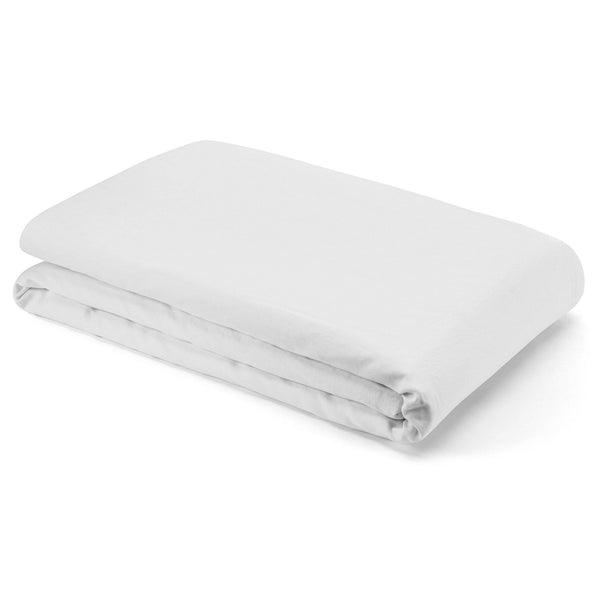
Cotton for Softness and Everyday Care
Cotton is a versatile, low-maintenance classic available in several weaves. Cotton duvet covers are especially practical for everyday bedrooms where softness and easy care matter.
-
Percale: A crisp, matte grid weave that feels like a cool luxury hotel sheet, ideal for warm sleepers.
-
Sateen: A silkier, heavier weave with a subtle sheen that provides extra warmth and a silky hand-feel.
Which One Should You Choose?
The right choice depends on your preferred sleeping environment, bedroom style, and daily routine.

Choose a Duvet Cover If You:
-
Want adjustable warmth by changing the duvet insert
-
Like changing bedroom colors or styles without replacing your entire bedding setup
-
Prefer a soft, layered, and relaxed bed appearance
-
Want a removable outer layer that is easier to wash regularly
Choose a Bedspread If You:
-
Prefer lightweight coverage and a simpler bedding setup
-
Want a quick way to make your bed look neat and finished
-
Like a smooth, structured appearance
-
Prefer fewer bedding layers and minimal adjustments
Both options can work well depending on your needs, and combining them can create a balanced bedroom style that offers both comfort and visual appeal.
You Can Use Both for a More Finished Bedroom
You don't necessarily have to pick just one. Interior designers frequently layer duvet covers and bedspreads together to create a high-end, multi-dimensional look.
To achieve this boutique style:
-
Cover the entire bed with a bedspread as your clean base layer.
-
Fold a filled duvet cover into thirds and place it horizontally across the foot of the bed.
This combination gives you the best of both worlds: the structured, full-coverage look of a bedspread paired with the plush, tactile volume of a duvet—plus quick access to extra warmth if you get cold in the middle of the night.
Final Thoughts
Choose a duvet cover if you want adjustable warmth, easy washing, and a soft, layered look. Choose a bedspread if you prefer lightweight coverage, quick bed-making, and a neat, finished appearance. You can also use both to combine everyday comfort with polished bedroom style.
Explore endlessbay to find bedding that suits your preferred sleep setup and bedroom style.
FAQs
Do I need a top sheet with a duvet cover?
In European traditions, duvet covers are often used without a top sheet, as the cover itself is washed regularly like a sheet. However, many people in North America still prefer using a top sheet underneath for added comfort or to reduce how often they need to wash the duvet cover.
What is the main difference between a duvet and a duvet cover?
A duvet is the filled insert that provides warmth. A duvet cover is the removable fabric sheath, similar to a giant pillowcase, designed to fit over that insert.
Does a bedspread need a bed skirt?
Generally, no. Many bedspreads extend far enough down the sides to help hide the bed frame or box spring without needing an extra bed skirt underneath.
Is a duvet cover better than a bedspread?
Neither is universally better. A duvet cover is usually more suitable if you want adjustable warmth and a fuller, layered bed, while a bedspread is better if you prefer lighter coverage and a smoother, more finished look.
Can you use a duvet cover without a duvet insert?
Yes. A lightweight duvet cover can be used on its own as a thin top layer in warm weather, although it will not provide the same loft or insulation as it does with an insert.
Is a bedspread warmer than a duvet?
Usually, a bedspread provides less warmth than a duvet, but the difference depends on the specific materials and construction of each piece.
A duvet’s warmth comes primarily from its insert, which may contain down, down alternatives, wool, or other insulating fills. A bedspread is generally designed as a lighter decorative or layering piece, although thicker quilted versions can provide additional warmth.
Recommended Reading
How to Layer Your Bedding for Maximum Warmth in Winter
Best Duvet Covers in the USA: Expert Tips to Choose the Perfect One for Your Bed