


Table of Contents
When it comes to warmth, neither option is automatically hotter than the other because temperature depends on the fill inside. However, a duvet is better if you want easy home washing and fluffy comfort, while a comforter is best if you want a simple, budget-friendly setup ready right out of the box.
It is easy to see why so many people get confused. Bedding brands and stores frequently use these two terms interchangeably, even though they are completely different bedding systems.
A common mistake shoppers make is assuming a heavier blanket automatically means a warmer or better product. In reality, this often leads to buying a bulky piece that overflows home washing machines or traps uncomfortable body heat all night long.
In this guide, we break down the real differences in warmth and care, clearing up the confusion with four simple steps so you can pick the perfect cover for your bed.
The Main Differences at a Glance
|
Feature |
Duvet System |
Comforter |
|
Structure |
Two pieces (Insert + Washable Cover) |
One piece (Blanket only) |
|
Warmth Control |
High (Swap inserts for summer or winter) |
Varies by model (lightweight to winter) |
|
Washing Ease |
Easy (Machine-wash the cover with sheets) |
Harder (Requires a large-capacity washer) |
|
Bed Assembly |
Requires stuffing and securing ties |
Ready to pull up out of the box |
|
Upfront Cost |
Higher (Cover and insert sold separately) |
Lower (Often sold in bed-in-a-bag sets) |
If you want a fluffy, cloud-like bed and care about easy weekly laundry, a duvet is usually your best bet. On the flip side, if you want a quick, affordable, all-in-one setup that stays neat with minimal effort, a comforter is hard to beat.
What Is a Duvet?
How a Duvet System Works
A duvet consists of two distinct parts: an insert (the soft, plain pillow-like blanket) and a duvet cover (the protective fabric shell that slips over it).
Most modern duvet covers close at the bottom with buttons, a hidden zipper, or snaps. Inside the corners, small fabric ties keep the insert from sliding around. This setup comes from European bedding traditions, where many people skip the traditional top sheet entirely and sleep directly under the covered duvet.
Pros and Cons of Using a Duvet
The advantages of a duvet center on convenience and versatility. You only need to strip off the outer cover and wash it with your regular sheets, making laundry day very manageable. It is also easy to update your bedroom style seasonally just by buying a cheap new cover. Plus, you can keep the same cover year-round while switching between lightweight summer inserts and heavy winter inserts to customize your warmth.
The drawbacks of a duvet mainly involve upfront cost and setup effort. Putting the insert into the cover after laundry day takes practice and patience. You usually have to buy the cover and the insert separately, which increases the initial price. Cheap covers without proper corner ties can also cause the inside insert to bunch up over time.
What Is a Comforter?
How a Comforter Works
A comforter is a single, ready-to-use blanket stuffed with insulation. The outer fabric and the inner filling are stitched together in a single unit.
To keep the inner fill from shifting to one side, manufacturers use grid-like stitching patterns. In the U.S., comforters are frequently sold as part of "bed-in-a-bag" sets that include matching pillow shams and a coordinating sheet set.

Pros and Cons of Using a Comforter
The advantages of a comforter focus on simplicity and affordability. There are no covers to stuff or ties to knot, so you simply drape it over your mattress right out of the package. Comforters are often cut slightly wider than duvets, giving your bed a neat, flat profile that tucks under the mattress well. Buying a complete comforter set is also usually cheaper than purchasing a quality duvet insert and cover separately.
The drawbacks of a comforter lie in cleaning and temperature flexibility. Bulky comforters often overflow standard home washing machines, leading to trips to the laundromat. You cannot change the temperature rating either, meaning if you get too hot in the summer, you have to swap out the entire blanket. Repeatedly washing the heavy blanket can also cause internal stitching to break and colors to fade over time.
Which One Is Warmer?
How Materials and Fill Impact Heat
Neither option is automatically warmer than the other. Warmth depends on the fill material, fill power, fill weight, construction, outer fabric, and room temperature—not simply whether the bedding is labeled a duvet or comforter.
Natural down offers a high warmth-to-weight ratio. For down bedding, fill power describes loft, while fill weight shows how much down is used. Higher fill power can trap more insulating air with less weight, but it does not determine total warmth on its own. Whether you choose a plush down duvet insert or a classic down comforter, both measurements matter. A high-end goose down comforter, for instance, can provide strong loft and warmth during cold winter nights.
Down alternative made from synthetic microfibers can suit budget shoppers and allergy sufferers. Its warmth depends on fiber density and fill weight, while lower-quality versions may compress faster or trap excess moisture.
Construction and outer fabric also affect warmth. Baffle-box or evenly stitched compartments help keep fill distributed and reduce cold spots. Natural cotton, linen, and bamboo shells allow more heat and moisture to escape, while polyester or microfiber shells may hold more body heat. Room temperature matters too: a lightweight option may be enough in a warm bedroom, while a colder room may call for heavier fill.
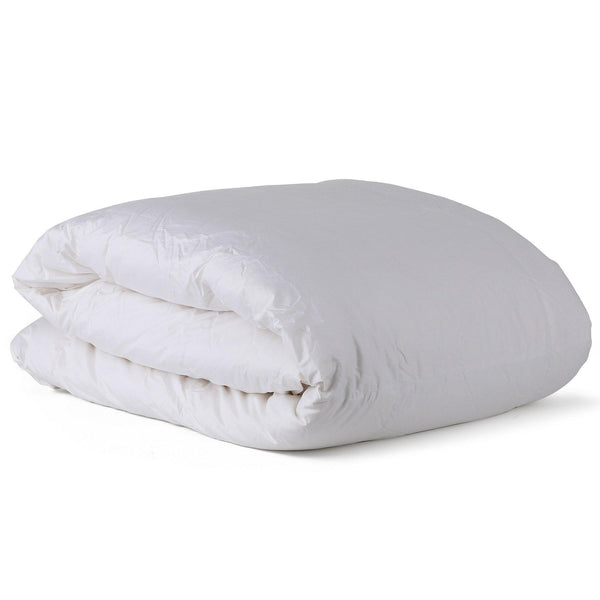
If you are looking for maximum winter warmth without feeling weighed down, a premium option like the endlessbay Down Duvet Comforter combines a soft, 100% breathable cotton shell with high-loft natural down fill. This combination of a high-thread-count natural cotton fabric and dense down insulation provides exceptional thermal protection while staying light, airy, and breathable against your skin.

Best Options for Hot and Cold Sleepers
Cold sleepers should look for a high-loft down duvet insert rated for all-season or heavy warmth, or invest in a thick goose down comforter. The extra loft creates air pockets that lock in warmth all night long.
Hot sleepers do better with a low-fill, lightweight down comforter alternative or a bamboo-shell duvet insert. Breathable fabrics keep air circulating so you do not wake up soaked in sweat.
Couples with different body temperatures can benefit from a lightweight duvet system with a breathable linen cover, which allows one person to layer an extra thin throw blanket on just their side of the bed.
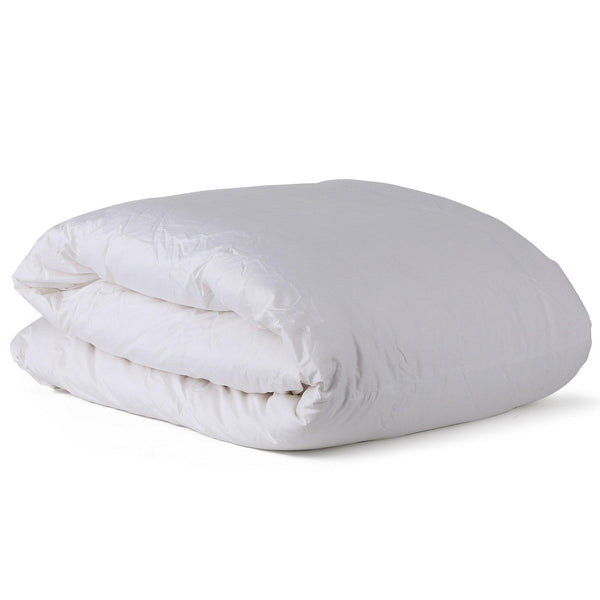
For a versatile middle ground that satisfies both temperature preferences year-round, consider an option like the endlessbay All-Season Down Duvet Comforter. Crafted with a 100% soft, breathable cotton shell and a balanced layer of lightweight natural down fill, it naturally regulates temperature—keeping cold sleepers comfortably warm without trapping excess heat for hot sleepers.
4 Steps to Pick the Right Option
Step 1: Check Your Laundry Setup
Take a realistic look at your home washing machine before buying. If you have a standard top-loader with a center agitator, go with a duvet so you can easily wash the lightweight cover at home. If you own a high-capacity front-load washer, or do not mind taking bulky items to a commercial laundromat, a comforter will work fine.
Step 2: Set Your Budget
Calculate both upfront costs and long-term value. If you want to spend less money today, look for an all-in-one comforter set. If you plan to keep your bedding for years, buy a high-quality duvet insert. You can replace cheap covers whenever your design tastes change without replacing the inner core.
Step 3: Choose Your Bedroom Style
Consider the overall look you want for your space. Choose a duvet if you love that plush, cloud-like hotel bed look with lots of texture and depth. Choose a comforter if you prefer a sleek, flat, and structured look where the bed lies perfectly smooth.
Step 4: Decide on Using a Top Sheet
Your bed-making routine makes a big difference. If you hate wrestling with flat sheets every morning, buy a duvet system and use it the European way with just a fitted sheet on the mattress and the duvet on top. If you love sleeping with a traditional top sheet, a comforter pairs naturally with standard sheet sets.
Final Thoughts
At the end of the day, neither option is strictly better than the other—it all comes down to your daily routine. If you value easy weekly laundry and love a plush, cloud-like bed, go with a duvet. If you prefer a simple, low-maintenance setup that is quick to make in the morning, a comforter is your best bet. Pick the one that fits your lifestyle, and you will enjoy a cozy, restful night's sleep.
Ready to transform your bedroom into a cozy retreat? Explore the premium collection at endlessbay to find the perfect high-quality bedding for your sleeping style and enjoy a restful, comfortable night's sleep year-round.
Frequently Asked Questions
Can you put an old comforter inside a new duvet cover?
Yes. As long as the dimensions match closely, using a duvet cover over an old, faded comforter is a great way to update your bedroom style without throwing away a perfectly good blanket.
How do you keep a duvet insert from shifting inside the cover?
Choose a cover that features internal corner ties or snaps. Tie each corner securely to the loops found on most modern duvet inserts. You can also buy plastic bedding clips if your insert lacks loops.
Should you buy a duvet insert that is larger than your duvet cover?
No. In most cases, choose a duvet insert that closely matches the dimensions of the duvet cover. An insert that is too large may bunch inside the cover, while one that is too small may shift and leave empty corners. Because sizing can vary by brand, check the listed measurements for both pieces before buying.
Which bedding option is better for people with seasonal allergies?
A duvet system is usually better for allergy sufferers. Being able to strip off and wash the outer cover weekly in hot water prevents dust mites, pet dander, and pollen from accumulating in your bed.
Recommended Reading :
Best Duvet Covers in the USA: Expert Tips to Choose the Perfect One for Your Bed
Goose Down vs Duck Down Comforters: An In-Depth Comparison for the Perfect Sleep