


Table of Contents
Most households need two sheet sets for every regularly used bed. One set can be on the mattress while the other is clean, drying, or waiting for the next change. A third set is useful when laundry takes longer, sheets need frequent changing, or you use different fabrics by season. More than three sets per bed is rarely necessary unless the bed regularly deals with spills, illness, children, pets, or back-to-back guests.
The right number is based on each bed, not each person. A couple sharing one Queen bed usually needs the same two-set rotation as one person sleeping alone. Before buying more, check whether every spare actually fits the mattress and includes the pieces you use.
Two Sheet Sets Are Enough for Most Everyday Beds
Two sets create a simple rotation without filling the linen closet. When you strip the bed, you can put on the clean set immediately and wash the used set when it fits your schedule. You are not forced to wash, dry, and remake the bed in one day.
One set can work for someone with reliable laundry access who puts the same sheets back on the bed as soon as they are dry. However, it leaves no backup for a spill, a delayed dryer, an overnight guest, or a fitted sheet that tears. The money and storage saved by owning only one set may not be worth that pressure.
Three sets give more flexibility, but they should solve a real problem. If two sets already move smoothly between the bed and laundry, a third may sit unused. Start with two good sets, follow the rotation for a few weeks, and add another only when you can name the gap it will fill.
Recommended Sheet Sets by Situation
|
Bed or Routine |
Suggested Number |
Practical Reason |
|---|---|---|
|
Regularly used adult bed |
2 sets |
One on the bed and one ready for the next change |
|
Slow drying or infrequent laundry |
3 sets |
A clean set remains available while another is waiting or drying |
|
Child's bed or bed shared with pets |
3 sets |
Extra coverage for spills, accidents, hair, or dirt |
|
Rarely used guest bed |
1 to 2 sets |
One may be enough for occasional use; a spare helps with consecutive guests |
|
Frequent overnight guests |
2 to 3 sets |
Faster room changes without immediate laundry |
|
Strong seasonal fabric changes |
2 everyday sets plus 1 seasonal set |
The extra set has a distinct warm- or cool-weather job |
The table is a starting point rather than a shopping rule. Storage space, access to a washer and dryer, and how often the bed needs an unplanned change matter more than reaching a fixed number.
Add a Third Set for Slow Laundry, Frequent Changes, or Seasonal Use
A third set earns its space when the normal two-set cycle often breaks down. Look at what delays a clean bed in your home instead of buying another set only because it is on sale.
Laundry Takes More Than One Day
A third set helps if you use a laundromat, line-dry sheets, share machines with other residents, or often postpone large loads. It is also practical in humid weather, when natural fibers may dry more slowly. You can change the bed on schedule without waiting for the previous set to finish.
If the delay comes from using the wrong cycle or heat setting, improve the routine before adding more bedding. This guide to washing temperatures for different sheet fabrics can help you choose a setting that cleans effectively without creating unnecessary fabric wear.
Children, Pets, Spills, or Illness Can Require Another Clean Set
Young children, pets, heavy nighttime sweating, and periods of illness can make a second change necessary before the first used set is clean. In these homes, three sets provide one on the bed, one in the laundry, and one ready for an unexpected change.
Extra sets should match the bed's current size and pocket depth. A spare fitted sheet that slips off a thick mattress will not help during a late-night change. If only the pillowcases need frequent refreshing, buy extra pillowcases instead of another complete set.
Different Seasons Call for Different Fabrics
Some homes use the same sheets all year. Others prefer a lighter, crisper set for warm months and a softer or warmer-feeling set in winter. In that case, a third set can have a clear seasonal purpose rather than acting as another duplicate.
Choose the material based on the room, climate, and care routine. The comparison of cotton, polyester, and blended sheets explains how common options differ in feel, care, and durability. Store the off-season set clean and completely dry.
Count Two Sets for Each Bed Size You Use
Begin with the beds that are actually used. Multiply each regularly used bed by two, then review whether any bed needs a third set. Do not multiply by the number of sleepers. Two people sharing one bed still use one fitted sheet at a time.
Keep sizes separate in the count. If a home has one King bed and two Twin beds, a practical baseline is two King sets and four Twin sets. The Twin sets may be shared between the two Twin beds if their mattress depths are similar, but each bed still needs to be covered while another set is being washed.
Guest rooms need a separate decision. One set may be enough when the room is used only a few times a year and there is time to wash it after every stay. Keep two if guests visit often, stays overlap, or the room needs to be reset quickly. A sofa bed also needs its own correctly sized set if it is used for sleeping.
Before counting an old set as a spare, check the fitted sheet, flat sheet, and pillowcases. Remove pieces that no longer fit, have failed elastic, or are too worn to put on the bed. A crowded shelf of incomplete bedding can make the household look better supplied than it really is.
A Complete Set Should Include the Pieces You Put on the Bed
A complete sheet set commonly includes a fitted sheet, a flat sheet, and one or two pillowcases, but product contents vary. Your working definition should match how you make the bed. If you do not use a top sheet, a fitted sheet with the needed pillowcases can serve as one usable rotation. If you always use a flat sheet, a spare without one is incomplete for your routine.
The difference between flat and fitted sheets matters when you audit mixed pieces. The fitted sheet must match the mattress width, length, and depth. A flat sheet may have more flexibility, but it still needs enough fabric for the coverage and tuck you prefer.
Pillowcases often wear or need changing sooner than the rest of a set because they have direct contact with the face, hair, and nighttime products. Keeping one or two extra pairs may be more useful than owning a fourth complete set. This also lets you refresh the sleep surface without washing every sheet.
Store Each Set Together and Remove Pieces You No Longer Use
Store every set as a unit so the fitted sheet and pillowcases do not become separated. One simple method is to fold the fitted sheet, flat sheet, and one pillowcase, then place them inside the second pillowcase. The bundle stays together and is easy to identify. If elastic corners make neat storage difficult, follow this step-by-step fitted-sheet folding guide.
Label shelves or baskets by bed size, especially when Full, Queen, King, or deep-pocket sheets look similar after folding. Put the clean set at the bottom or back of the stack and move the freshly washed set there after each cycle. This simple rotation prevents one favorite set from wearing out while another remains untouched.
Review the shelf once or twice a year. Donate usable sets that fit no current bed, and repurpose damaged flat sheets only if you have a real use for them. Replace a working set when fabric becomes thin, seams open, or fitted-sheet elastic no longer holds. Do not keep an unusable piece merely to preserve the appearance of a matching set.
Final Thoughts
For most homes, two sheet sets per regularly used bed are enough. Add a third only when slow laundry, frequent changes, regular guests, or seasonal fabric preferences make the basic rotation unreliable. Count by bed and size, then make sure every spare contains the pieces your household actually uses.
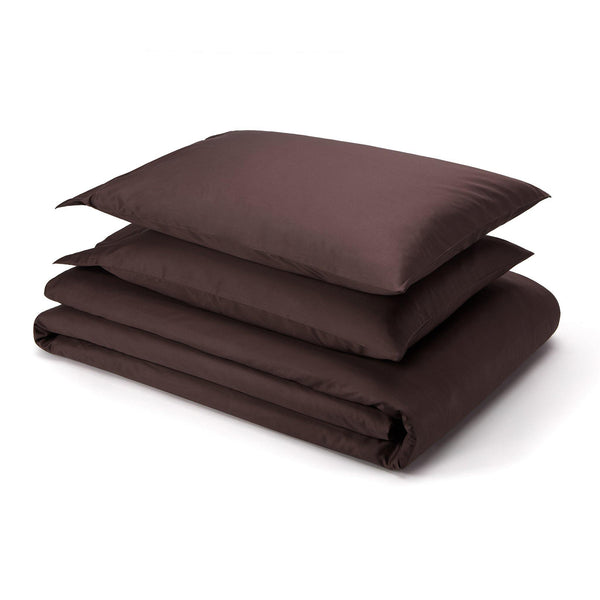
If you are building a dependable two-set rotation or replacing incomplete bedding, explore Endlessbay's organic cotton sheet sets. The collection includes sets with a fitted sheet, flat sheet, and two pillowcases. Check the individual product page for available sizes, colors, included pieces, and care instructions before ordering.
FAQs
Do All Sheet Sets Need to Match?
No. A fitted sheet, flat sheet, and pillowcases can form a practical rotation even when the colors are not identical. Make sure the fitted sheet is the correct size and pocket depth, and choose pieces that can be washed on compatible settings if you plan to launder them together.
Should You Wash New Sheets Before Using Them?
Follow the manufacturer's care instructions. Many people prefer to wash new sheets before their first use to remove loose fibers, packaging dust, or the feel of finishing treatments. Use the recommended water temperature and detergent amount rather than assuming a hot wash is safe.
Does a Duvet Cover Count as a Sheet Set?
A duvet cover is a separate bedding layer, not part of the sheet-set count. It covers a duvet rather than the mattress. You may rotate duvet covers on a different schedule, so count them separately from fitted sheets, flat sheets, and sleeping pillowcases.
Can You Replace Only the Fitted Sheet?
Yes. If the flat sheet and pillowcases are still in good condition, buying a separate fitted sheet can restore a usable rotation without replacing every piece. Match the mattress size and depth, then choose a fabric with care instructions that work with the pieces you plan to wash together.